
GENERAL DENTISTRY
Dental Fillings in Mold
Treat tooth decay and restore damaged teeth with durable, natural-looking fillings. Prompt appointments when you need them.
Restoring Damaged Teeth at Alyn Dental, Mold
Alyn Dental provides dental fillings in Mold for patients with tooth decay or minor damage to a tooth. A filling removes decayed tissue and restores the tooth’s shape and function, helping prevent further damage or infection. Following an assessment, the most appropriate type of filling will be recommended for your tooth.
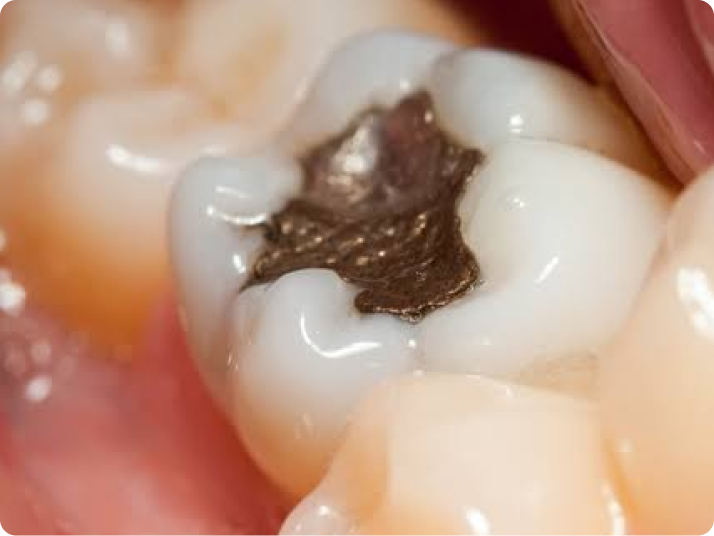
What Is a Dental Filling?
A dental filling is a restoration used to repair a tooth after decay or minor damage has been removed, filling the resulting cavity to restore the tooth’s strength, shape, and function. Most fillings today use a tooth-coloured composite material for a natural appearance.
Fillings are one of the most common dental treatments and are usually completed in a single, straightforward appointment under local anaesthetic. Left untreated, decay can progress and eventually require more extensive treatment such as root canal therapy or extraction.
YOUR SMILE JOURNEY
How The Treatment Works
The treatment usually follows four key stages.
01
STEP ONE
Consultation and Assessment
A clinical assessment, which may include an X-ray, is carried out to check for decay and assess the extent of the damage to the tooth.
02
STEP TWO
Removing Decay
Under local anaesthetic, the decayed portion of the tooth is carefully removed, leaving healthy tooth structure intact.
03
STEP THREE
Placing the Filling
The cavity is filled with a tooth-coloured composite material, which is shaped and hardened using a curing light.
04
STEP FOUR
Finishing and Aftercare Guidance
The filling is checked against your bite and polished, with guidance provided on caring for the restored tooth.
Why Choose a Dental Filling?
- Treat tooth decay before it progresses further
- Restore the strength and shape of a damaged tooth
- Achieve a natural, tooth-coloured result
- Complete treatment quickly often in a single visit
Who May Be Suitable?
- Patients with tooth decay identified during a check-up
- Patients with a small chip or minor damage to a tooth
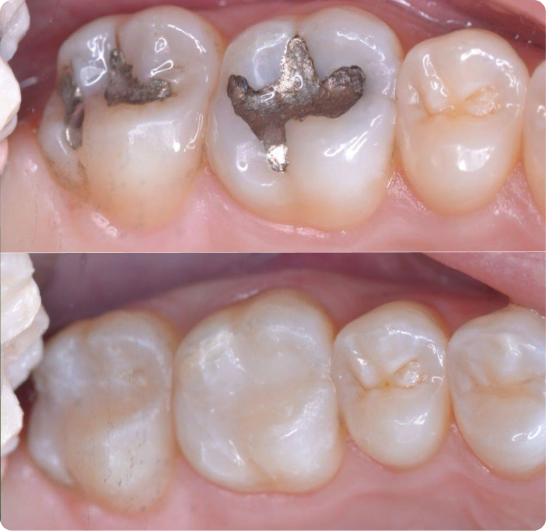
- Patients wanting to replace an old or worn filling
- Anyone experiencing sensitivity linked to a cavity
Important:
A clinical assessment is required to confirm the extent of decay and the most suitable filling material and approach.

When to See a Dentist
You may wish to consult a dental professional if you notice:
- Sensitivity to hot, cold, or sweet foods
- A visible hole, dark spot, or chip in a tooth
- Pain when biting down on a particular tooth
- An old filling that feels worn, cracked, or loose
A professional assessment can help determine the most appropriate treatment for you.
Frequently Asked Questions
Fillings are carried out under local anaesthetic, so you shouldn't feel pain during the procedure. Some mild sensitivity is normal for a short time afterwards.
Composite fillings typically last around 5 to 10 years, depending on their size, location, and your oral hygiene habits, though this varies between individuals.
Composite fillings are tooth-coloured and bond directly to the tooth, while amalgam fillings are a silver-coloured metal alloy. Composite is now the more commonly used option for a natural appearance, though your dentist can advise on the best choice for your tooth.
While uncommon, fillings can occasionally wear down, crack, or come loose over time. If this happens, contact us promptly so the tooth can be reassessed and refilled.