
URGENT CARE
Emergency Dentist in Mold
Fast access to urgent dental care when you need it most. Same-day appointments for pain, injury, and dental emergencies, with clear guidance every step of the way.
Urgent Dental Care at Alyn Dental, Mold
Alyn Dental provides emergency dental appointments in Mold for patients experiencing sudden tooth pain, injury, or infection. Dental emergencies can happen at any time, and prompt treatment can often make the difference between saving a tooth and losing it. Our team aims to see emergency patients as quickly as possible and will guide you through the right treatment for your situation.

What Is a Dental Emergency?
A dental emergency is any situation involving severe pain, bleeding, swelling, or injury to the teeth, gums, or jaw that needs prompt attention rather than waiting for a routine appointment. This can include a knocked-out or broken tooth, a lost filling or crown, an abscess, or an infection that is causing swelling in the face or gum.
Not every dental problem is an emergency, but if you’re in significant pain or have suffered an injury, it’s always best to contact us so we can assess the urgency and arrange the right level of care as quickly as possible.
YOUR SMILE JOURNEY
How Emergency Treatment Works
Our emergency dental process is designed to get you seen and out of pain as quickly as possible, with clear treatment options explained at every stage.
01
STEP ONE
Contact Us
Call our practice as soon as you notice a problem. We’ll ask a few quick questions about your symptoms to understand how urgent your situation is and arrange the soonest available appointment.
02
STEP TWO
Same-Day Assessment
Where possible, emergency patients are seen the same day. A clinician will examine the affected tooth or area, and may take an X-ray to fully understand the problem before recommending treatment.
03
STEP THREE
Emergency Treatment
Treatment is carried out to relieve pain and address the immediate issue — this may include a temporary or permanent filling, extraction, root canal treatment, or repair of a broken tooth or restoration.
04
STEP FOUR
Follow-Up and Aftercare
Once the emergency has been treated, we’ll provide aftercare advice and, if needed, arrange a follow-up appointment to complete any further treatment required for a long-term solution.
Why You May Need an Emergency Dentist
- Severe or sudden toothache that doesn't settle with painkillers
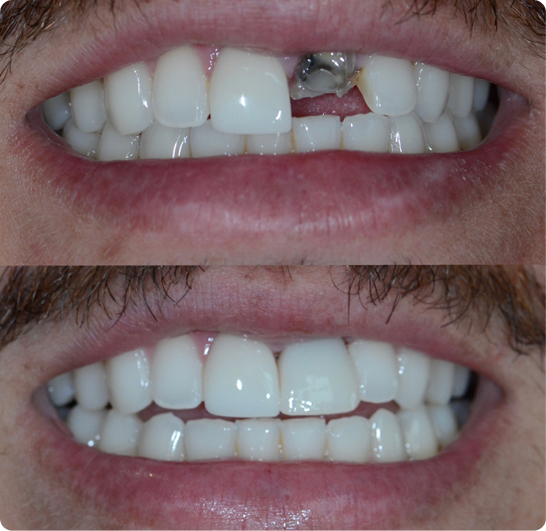
- A knocked-out, chipped, or broken tooth following an accident or injury
- Swelling, abscess, or infection in the gum, face, or jaw
- A lost filling, crown, or denture repair causing pain or discomfort
What to Do in a Dental Emergency
- Rinse your mouth gently with warm water if you're in pain or bleeding
- If a tooth has been knocked out, keep it moist (in milk or your own saliva) and see us as soon as possible
- Take over-the-counter pain relief if needed, following the packet instructions
- Avoid very hot, cold, or hard foods until you've been seen
Important:
If you’re experiencing severe facial swelling, difficulty breathing or swallowing, or uncontrolled bleeding, seek emergency medical attention immediately.
When to See a Dentist
You should contact us promptly if you notice:
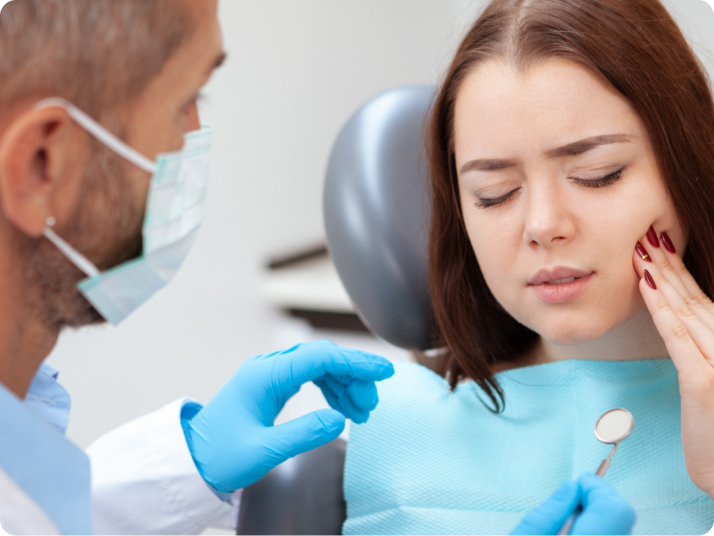
- Sudden or severe tooth or jaw pain
- A tooth that has been knocked out, cracked, or broken
- Swelling in the face, gum, or mouth
- Bleeding that doesn't stop after an injury
- A lost or damaged filling, crown, or denture causing discomfort
A quick assessment can help determine the cause of the problem and the most appropriate treatment.
Frequently Asked Questions
A dental emergency includes situations such as severe tooth pain, a knocked-out or broken tooth, swelling or infection, or uncontrolled bleeding following an injury. If you're unsure, contact us and we can advise you.
We aim to see emergency patients as quickly as possible, often on the same day, depending on availability and the nature of the problem.
Keep the tooth moist — ideally in milk or your own saliva — and contact us immediately. Prompt treatment gives the best chance of saving the tooth.
Our priority in an emergency is to relieve your pain quickly. Local anaesthetic is used where appropriate, and we'll explain each step of your treatment beforehand.