
SPECIALIST TREATMENT
Tooth Extraction in Mold
Safe, comfortable tooth extractions when a tooth can’t be saved. Thorough assessment, gentle treatment, and clear guidance on your options afterwards.
Removing Teeth Safely at Alyn Dental, Mold
Alyn Dental provides tooth extractions in Mold for patients whose tooth is too damaged, decayed, or impacted to be saved. A thorough assessment is carried out beforehand, and the procedure is performed under local anaesthetic for your comfort. Following extraction, we’ll talk you through your options for replacing the tooth if needed.
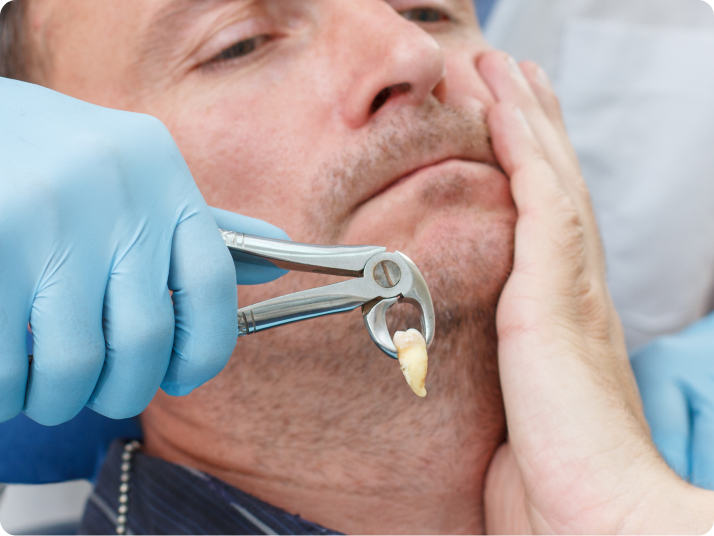
What Is Tooth Extraction?
Tooth extraction is the removal of a tooth from its socket in the jawbone, carried out when a tooth is too badly decayed, damaged, infected, or impacted (such as with wisdom teeth) to be repaired or saved. It’s usually considered only after other treatment options, such as a filling or root canal, are no longer viable.
The procedure is performed under local anaesthetic, and most straightforward extractions take only a few minutes. Depending on the position and condition of the tooth, some extractions are more involved and may require a small surgical procedure.
YOUR SMILE JOURNEY
How The Treatment Works
Tooth extraction follows four key stages to ensure a safe procedure and smooth recovery.
01
STEP ONE
Consultation and Assessment
A clinical assessment, which may include an X-ray, is carried out to confirm that extraction is necessary and to check the position of the tooth and surrounding bone.
02
STEP TWO
Treatment Planning
Based on the assessment, a plan is agreed covering whether a simple or surgical extraction is needed, and what anaesthetic or sedation options are available.
03
STEP THREE
Tooth Removal
The tooth is removed under local anaesthetic. Simple extractions are usually quick, while more complex cases may take a little longer to complete comfortably.
04
STEP FOUR
Aftercare and Restoration Guidance
Once the tooth is removed, you’ll be given aftercare advice to support healing. If needed, the clinician will also discuss options for replacing the tooth, such as an implant, bridge, or denture.
Why Is Tooth Extraction Needed?
- Remove a severely decayed or broken tooth that can't be restored
- Treat an impacted wisdom tooth causing pain or infection
- Address severe gum disease where a tooth is no longer stable
- Prepare for orthodontic treatment where crowding requires more space
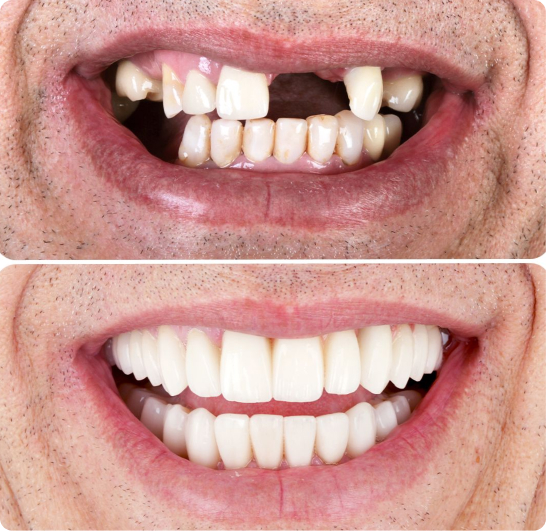
Who May Be Suitable?
- Patients with a tooth too damaged or decayed to be repaired
- Patients with an impacted or infected wisdom tooth
- Patients with advanced gum disease affecting tooth stability
- Adults preparing for orthodontic or restorative treatment
Important:
A clinical assessment is required to confirm that extraction is the right course of action and to plan the safest approach.

When to See a Dentist
You may wish to consult a dental professional if you notice:
- Persistent pain from a badly decayed or broken tooth
- Swelling or pain around a wisdom tooth
- A loose tooth linked to gum disease
- Advice on space or crowding before orthodontic treatment
A professional assessment can help determine whether extraction or another treatment is the right option for you.
Frequently Asked Questions
Cost depends on whether the extraction is simple or surgical, and on the specific tooth involved. A clinical assessment will confirm the recommended treatment and associated cost before you go ahead.
The procedure is carried out under local anaesthetic, so you shouldn't feel pain during the extraction itself. Some soreness afterwards is normal and can usually be managed with over-the-counter pain relief.
Most patients recover within a few days for a simple extraction, though complete healing of the socket can take a few weeks. Following the aftercare advice provided helps support a smooth recovery.
It depends on the tooth's position and your individual needs. Leaving a gap can sometimes affect nearby teeth or your bite over time, so we'll discuss replacement options, such as an implant, bridge, or denture, where relevant.